
Where the deck came from
A Short History of Tarot
The deck is six centuries old, give or take, and almost nothing about how it began would be recognizable to a modern reader. There were no spreads. No reversals. No querents. The cards were not a tool for self-knowledge or for divination. They were a game, played by wealthy people in northern Italy, for stakes, on long evenings when there was nothing else to do.
The drift from there to the table you are sitting at took four hundred years and several wrong turns, and the wrong turns are part of why the cards mean what they mean now. The history is worth knowing because it changes how you hold the deck.
A game first, Italy, the 1440s
The earliest tarot decks we still have are Italian, from the middle of the fifteenth century. They were called carte da trionfi, cards of triumphs, and the game played with them was called tarocchi, a trick-taking game, somewhere in the family of bridge.
The most famous survivors are the Visconti-Sforza decks, commissioned by the ruling families of Milan around the 1440s and 1450s. Hand-painted on heavy stock with gold leaf and tempera and a lapis-blue ground. Of the original seventy-eight, some are still complete, some are in pieces, scattered across museums in New York, Bergamo, and a few private collections.
They are extraordinarily beautiful, and they are also, fundamentally, a luxury edition of a parlor game. The trumps wore the iconography of the day, the Pope, the Emperor, the Wheel of Fortune, Death, the Devil, the Tower as the House of God, the Sun and the Moon, but the cards were used for tricks, not for telling.
There is no surviving evidence that the Visconti court read fortunes with the deck. They played for money and ate dinner. The mystery came later. The cards came first.
(figure: a fifth suit of 22 trumps stacked on top of the four ordinary suits, the shape that has never changed)
The cheap version spreads, Marseille, the 1600s
The game spread across Europe over the next two centuries. By the seventeenth century there were dozens of regional variants, and the woodblock-printed Tarot de Marseille, produced in southern France from the late 1600s onward, had become the standard cheap version.
The Marseille pattern is the one most occult-leaning decks still descend from in their bones:
- The same twenty-two trumps in the same order
- The same four suits
- The same court cards
- Minor cards as pips, a number of swords or coins or cups or batons on a plain ground, the way ordinary playing cards still are
The art is simpler, almost rough. And the deck was a working-class object by then. A barber might own one. A soldier on leave might play with one in a tavern. Nothing about it yet whispered of self-knowledge.
The wrong turn that made everything, France, 1781
The turn toward divination happened in the late eighteenth century, and the man most responsible was a Protestant minister and amateur scholar named Antoine Court de Gébelin.
In 1781 he published the eighth volume of his sprawling Monde Primitif and claimed, with no real evidence, that the Tarot de Marseille was the surviving fragment of an ancient Egyptian wisdom book, the Book of Thoth, smuggled out of Egypt and disguised as a card game so the priesthood could preserve it through the centuries.
Almost everything in this claim is wrong. The cards have no Egyptian origin. They are northern Italian.
Hieroglyphs had not yet been deciphered when he was writing, the Rosetta Stone was found eighteen years after he died, so he was free to project anything he wanted onto Egyptian imagery, and he did.
But the idea was alluring, and it spread. Within a few years a Paris cartomancer publishing as Etteilla, a pseudonym for Jean-Baptiste Alliette, was producing decks built specifically for divination, with meanings and reversals printed right on the cards. Etteilla is the first professional tarot reader on record. The practice has him as one of its great-grandfathers, and the whole frame had quietly shifted: a game had become a mirror.
The English occultists, the Golden Dawn, 1888
The nineteenth century carried the deck into English-speaking occultism, and this is where the version most modern readers know was forged.
The Hermetic Order of the Golden Dawn, founded in London in 1888, gathered ceremonial magicians, theosophists, and literary figures, W. B. Yeats was a member, so was Aleister Crowley, so was the actress Florence Farr. They systematized tarot alongside Kabbalah, astrology, and Western ceremonial magic into a single occult curriculum:
- Each Major assigned to a Hebrew letter
- Each suit to an element
- Each card to a path on the Kabbalistic Tree of Life
Most of the symbolic correspondences a modern tarot book takes for granted come from this period and this group. They were inventing connections, not discovering them. But the inventions stuck, the way a good story does.
The deck that became the world, Waite and Smith, 1909
In 1909, two members of the Golden Dawn produced the deck that would become the standard. Arthur Edward Waite, a scholar and mystic, designed the symbolic program. Pamela Colman Smith, a Jamaican-British artist who had also illustrated Yeats and Bram Stoker, painted all seventy-eight cards in a few months, on commission, for a flat fee, with no royalties.
What made it revolutionary is simple and it is everything. Smith illustrated every Minor card with a full scene. Not five cups stacked on a plain ground, but a man in a black cloak looking at three spilled cups while two stand upright behind him.
The Minors became readable as pictures, the way the Majors always had been. Suddenly the deck was teachable to anyone who could look at an image and feel something. Almost every modern beginner deck is built on that one decision.
The Rider Company published it, hence Rider-Waite, though it is more honestly called Rider-Waite-Smith, or RWS, in acknowledgment of Smith's enormous hand in it. Pamela Colman Smith died in poverty in 1951. Her name is now finally on most printings, which is late, but it is something.
The twentieth century pulls in every direction
The deck went several ways at once after that.
- The Thoth deck. Aleister Crowley, having broken from the Golden Dawn and built his own system, spent his last years collaborating with the painter Frieda Harris. The Thoth was finished in 1944 and published posthumously in 1969. It is denser, more symbolically packed than the RWS, drawing on Crowley's own theology and on the Egyptian imagery the deck never historically had, but Harris's art is luminous, watercolor and projective geometry, and it keeps a devoted following.
- The Marseille revival. The older French tradition persisted and was rediscovered by serious students of the original pattern.
- The New Age. By the 1960s and 70s, the movement folded tarot into a much larger ecosystem of self-help and esotericism. The deck began appearing in mass-market paperbacks and on the shelves of metaphysical bookshops in every American small town.
Now, the deck goes wide
The twenty-first century has been an explosion. Indie decks number in the thousands now, illustrated by artists from every background, drawing on every conceivable theme, botanical, queer, Afro-futurist, mushroom-foraging, Catholic, lunar, oceanic, ancestral.
And tarot has stepped out of the purely occult frame into a much wider one:
- Therapists use the cards as a projective tool with clients.
- Writers use them to break a narrative block.
- Workshop facilitators use them to get a group talking about their own lives.
- People who would not call themselves spiritual at all read them, simply finding the seventy-eight images a useful prompt for thinking about their own situation.
The cards have become, finally, what Court de Gébelin pretended they were two and a half centuries ago, a wisdom tool. They just got there sideways, by accident, through a printer and a liar and a painter who was never paid.
the twenty-two
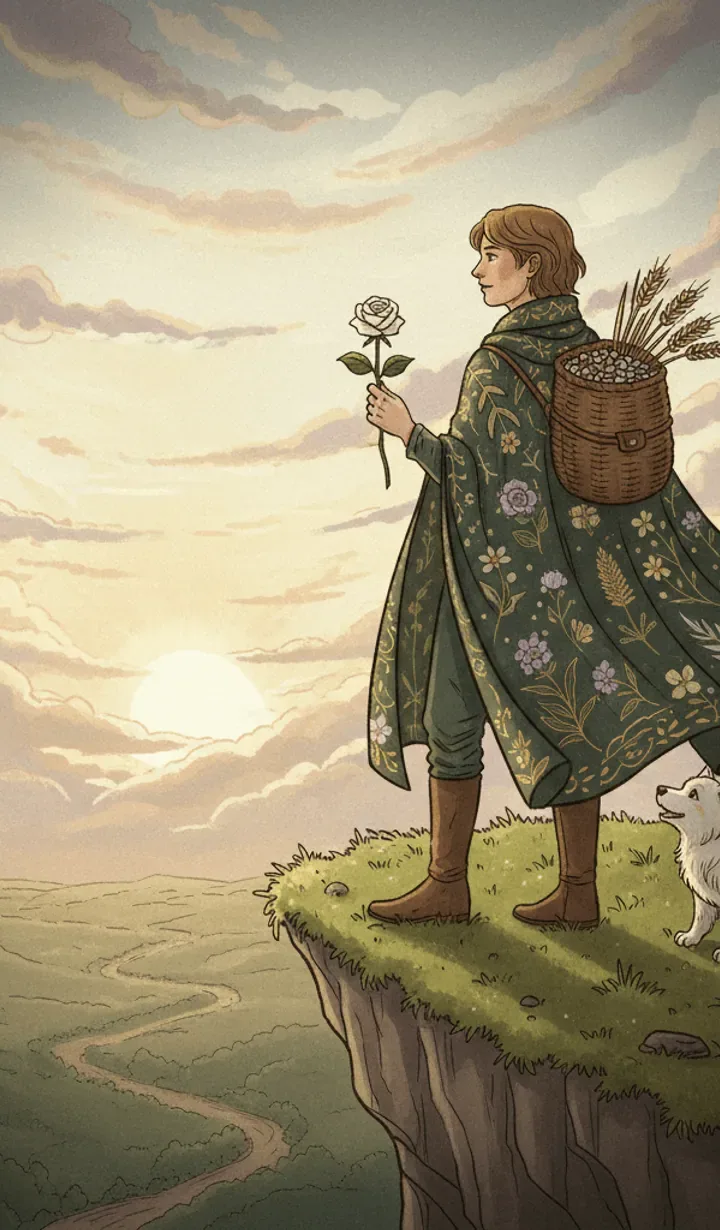
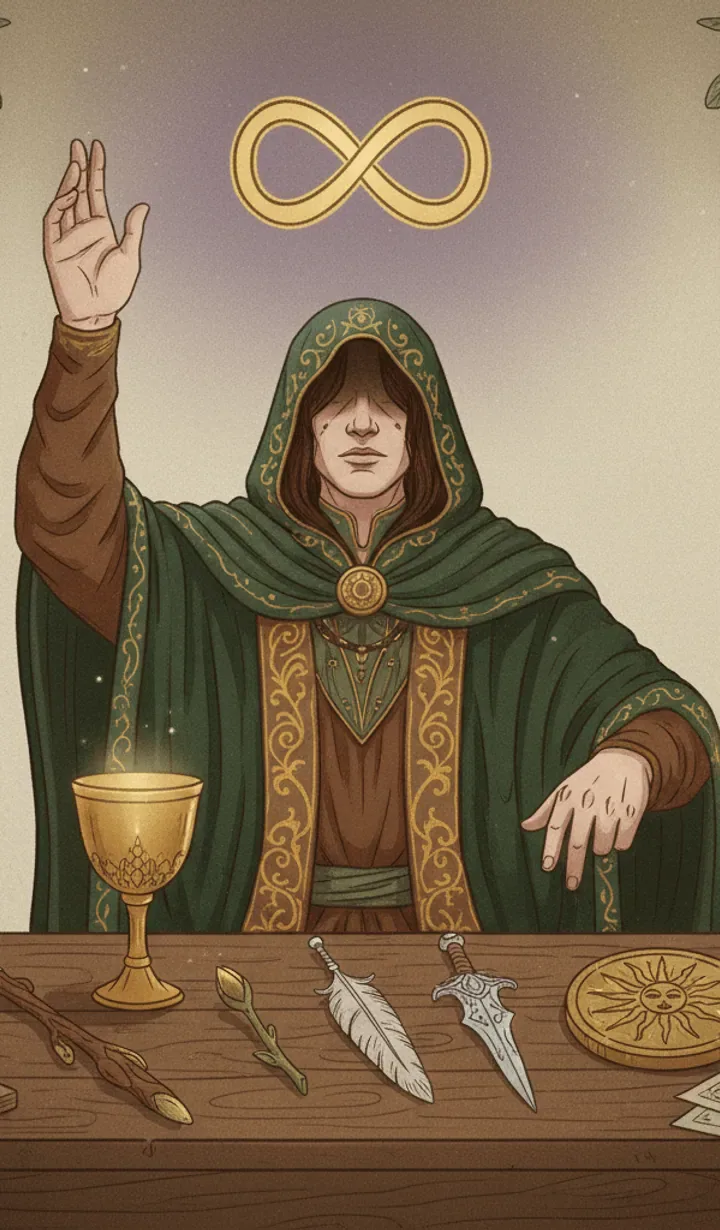
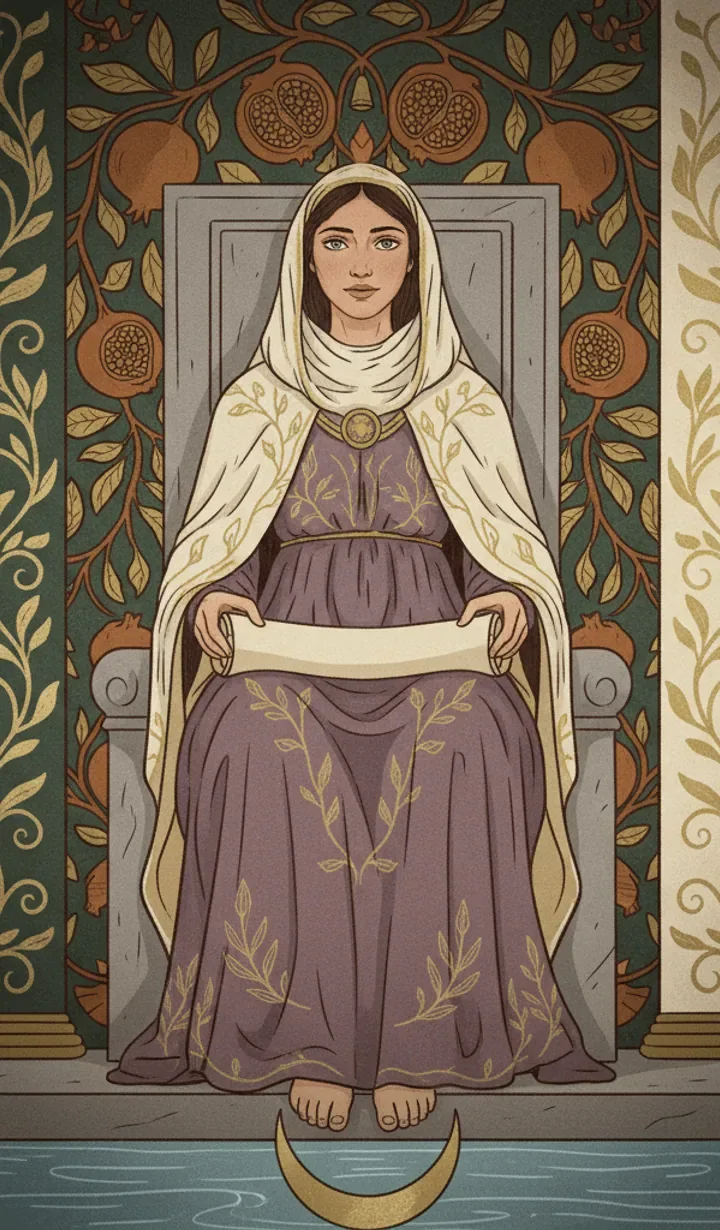
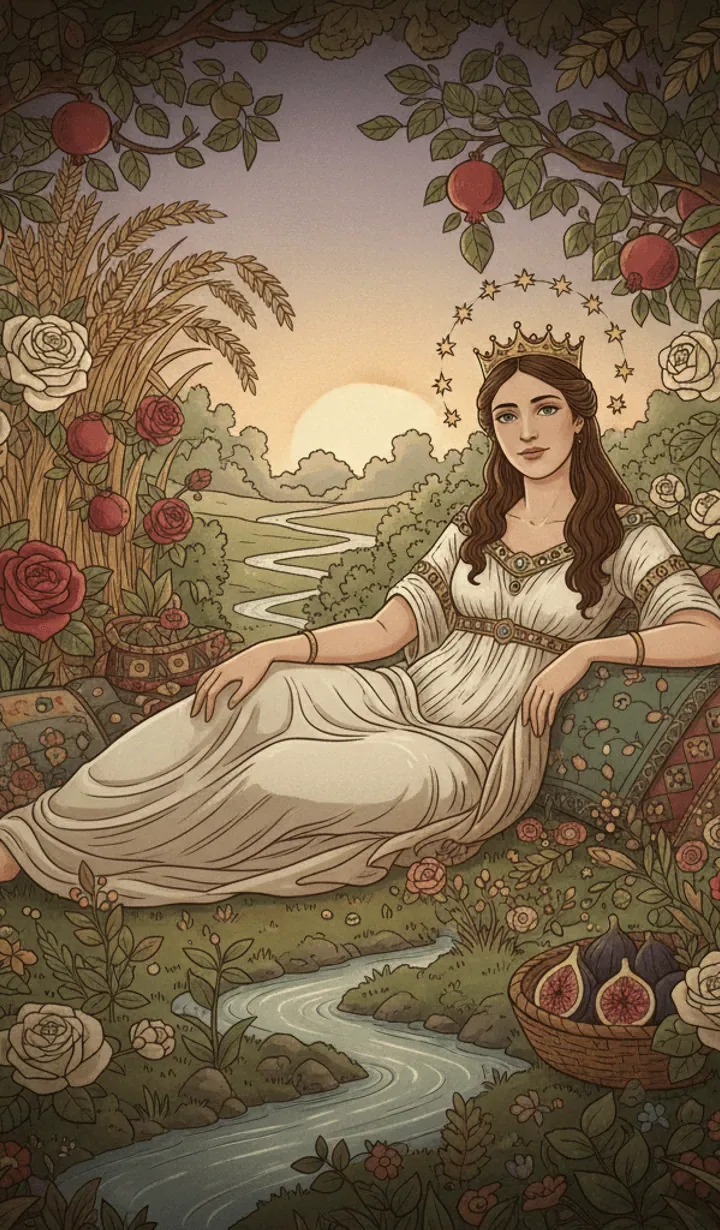
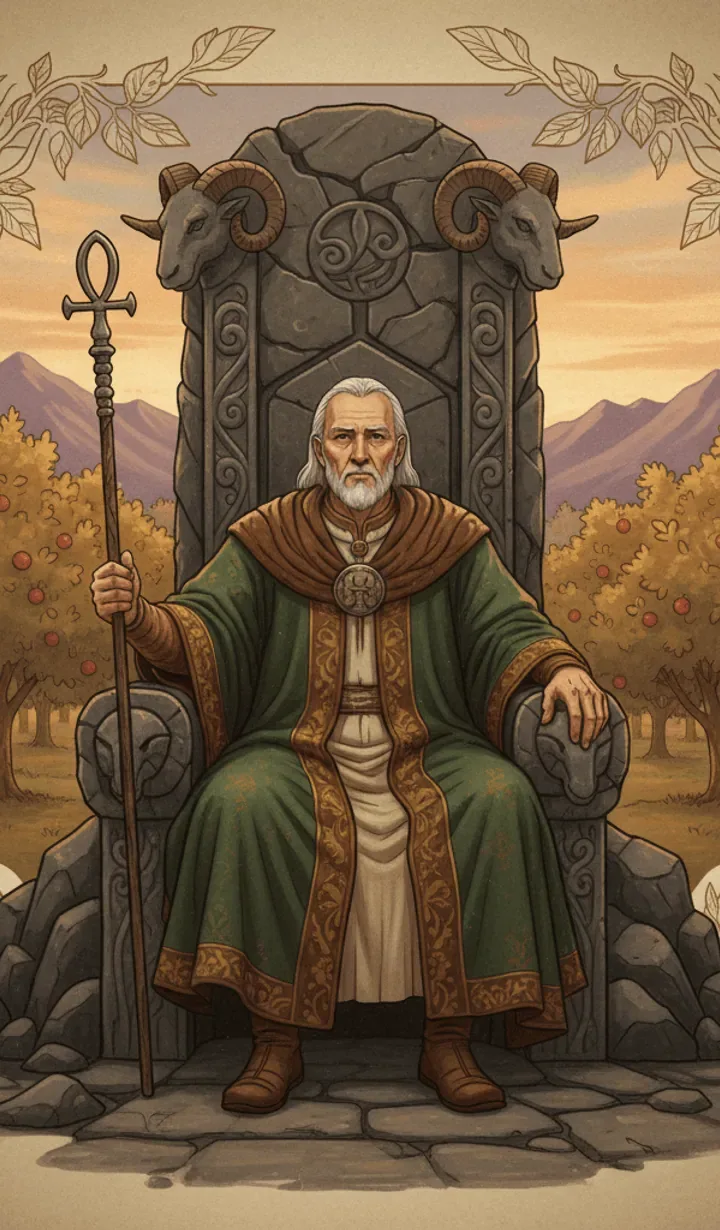
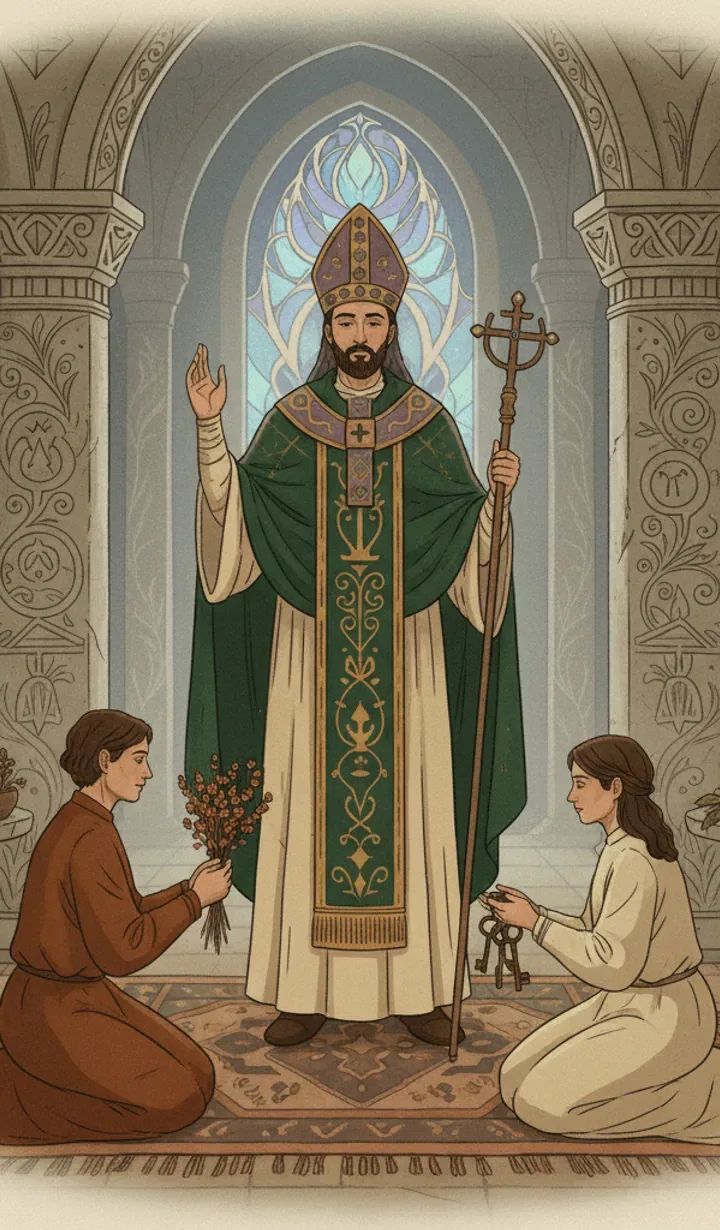
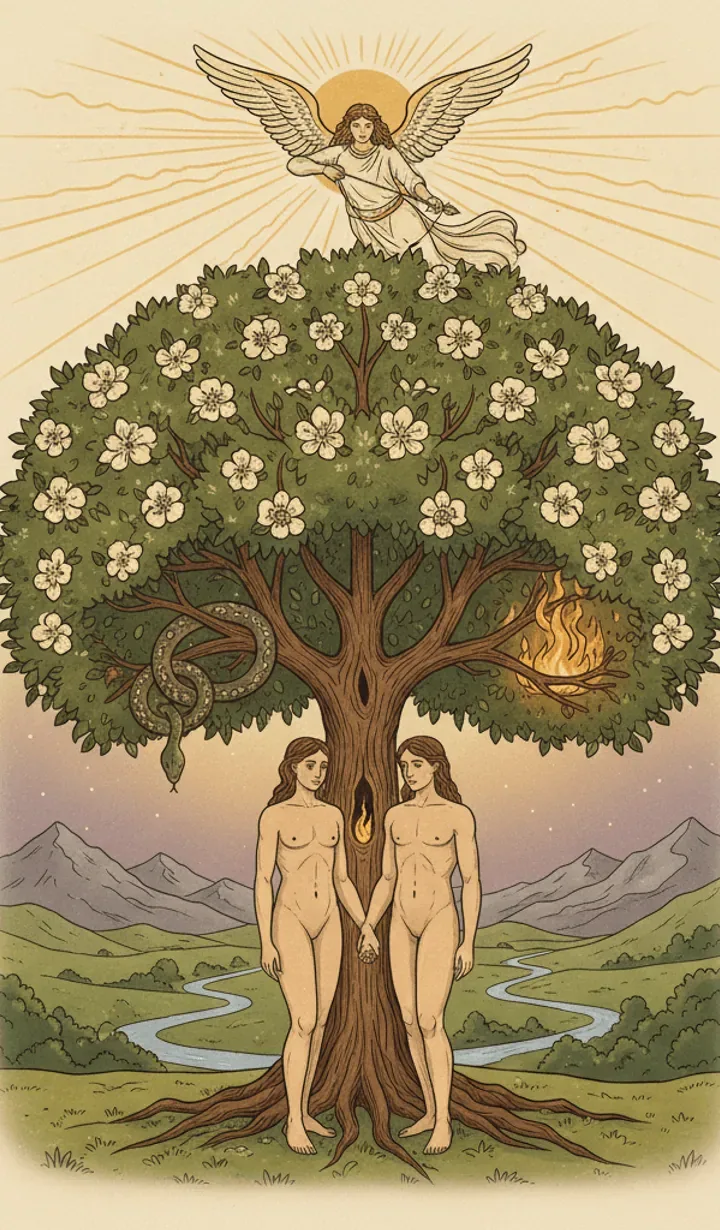
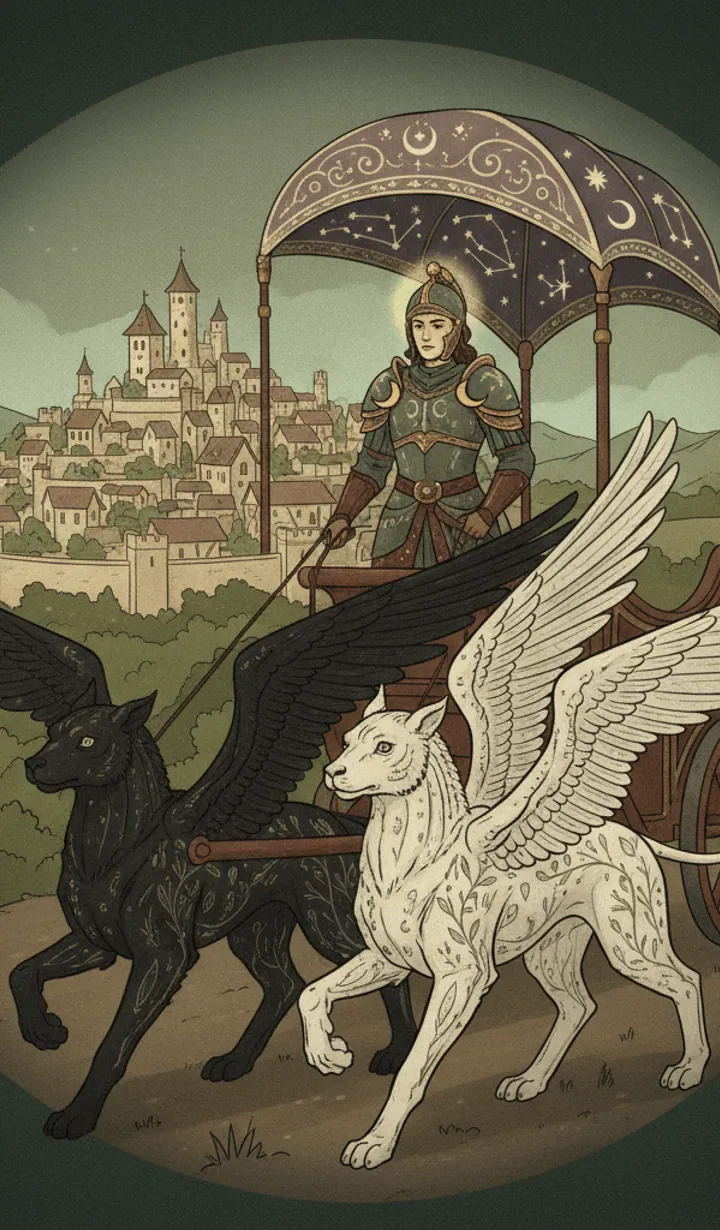
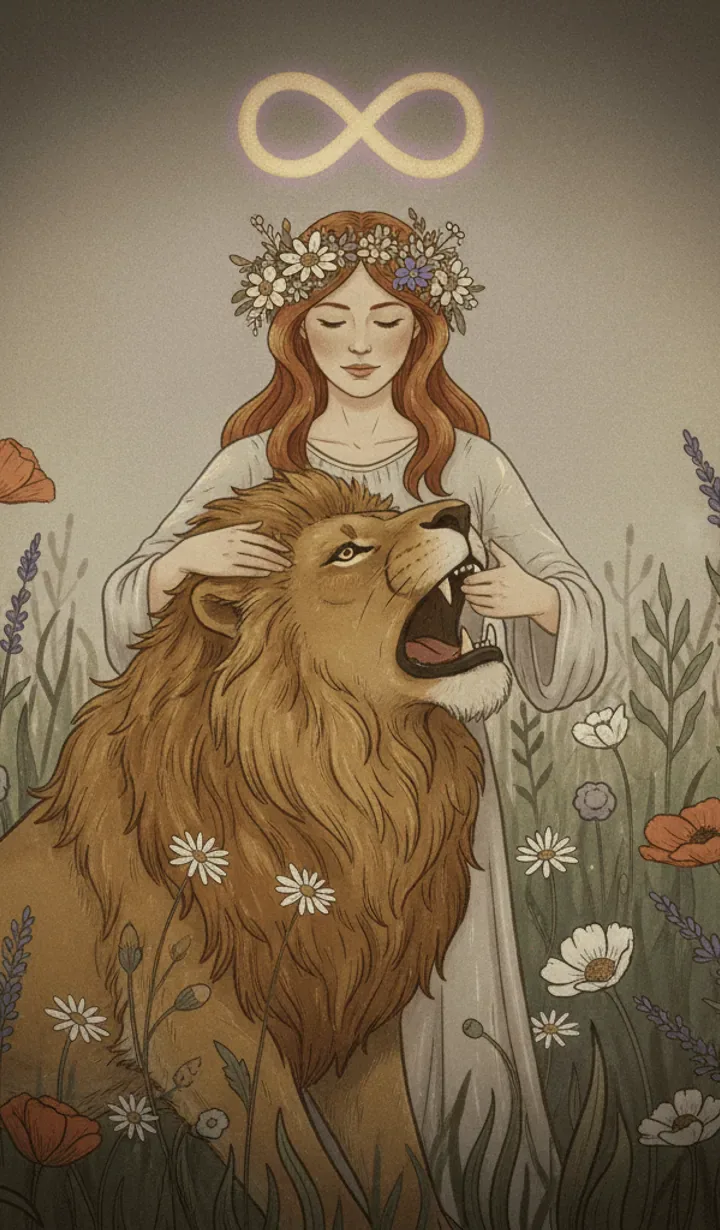
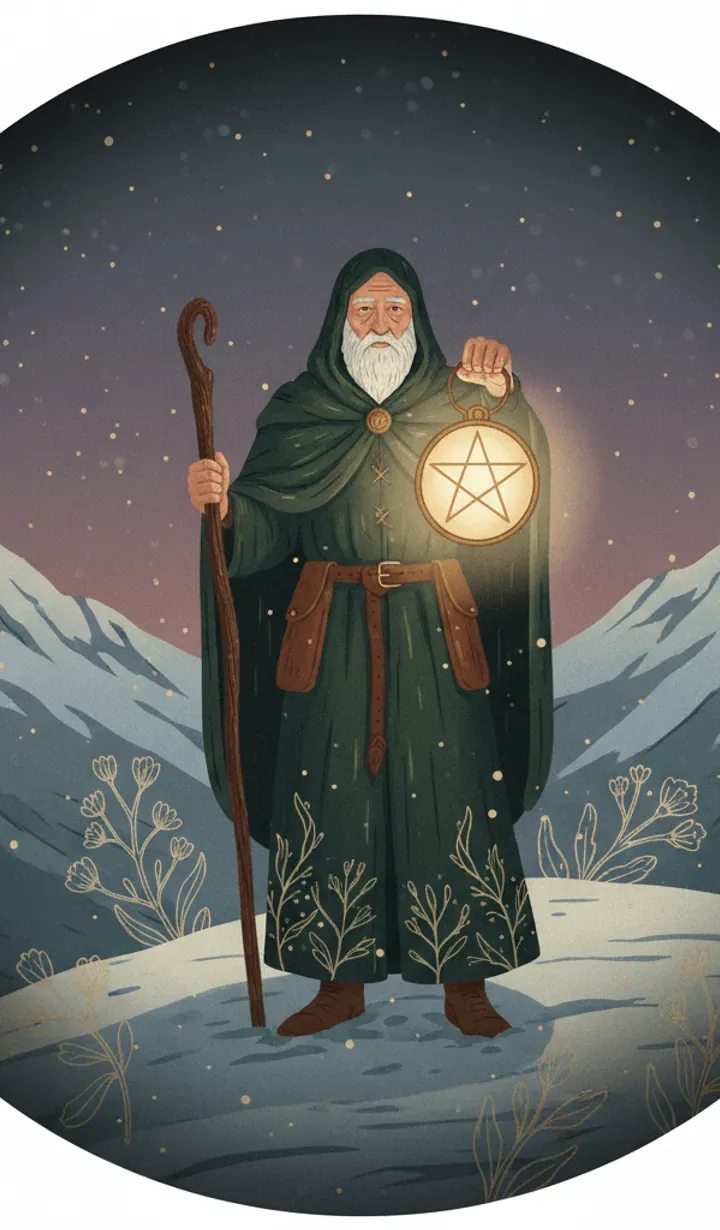
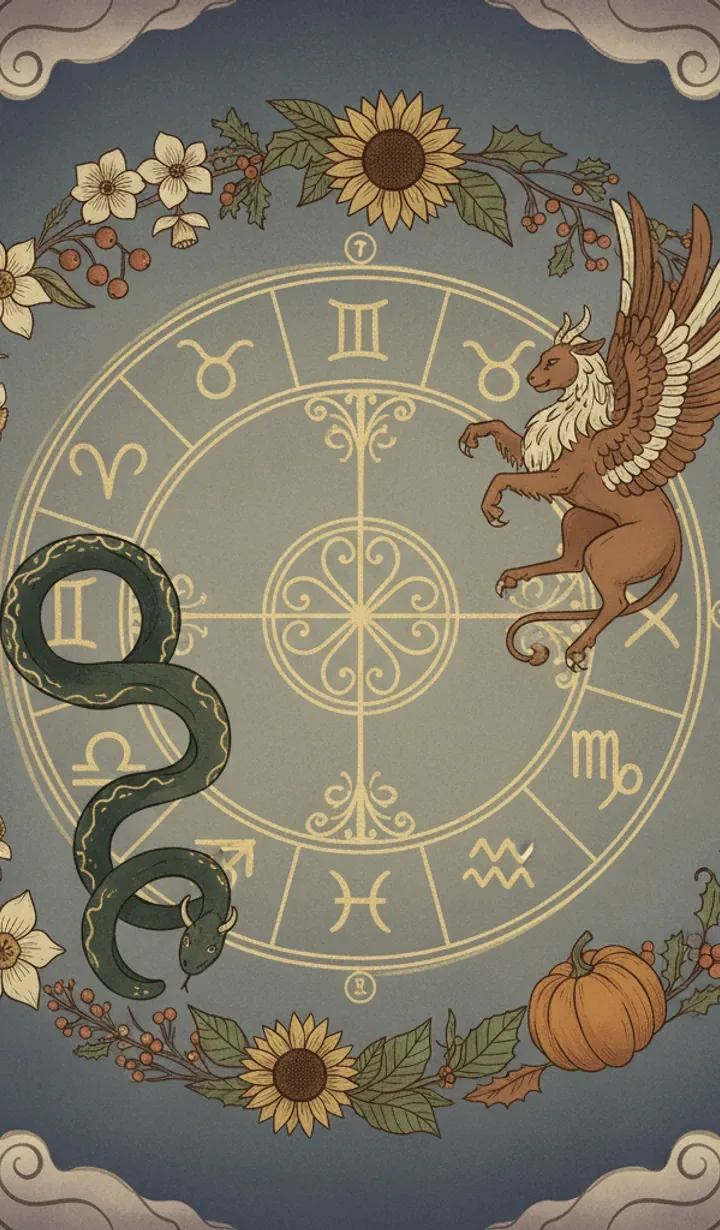
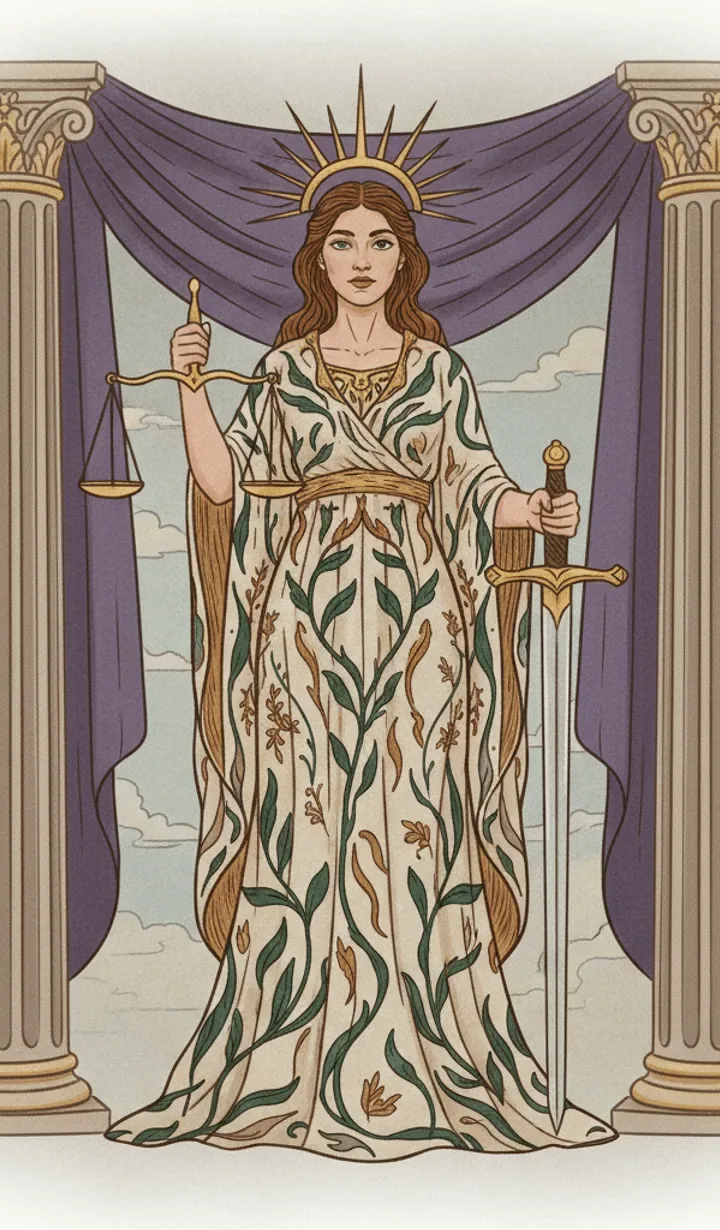
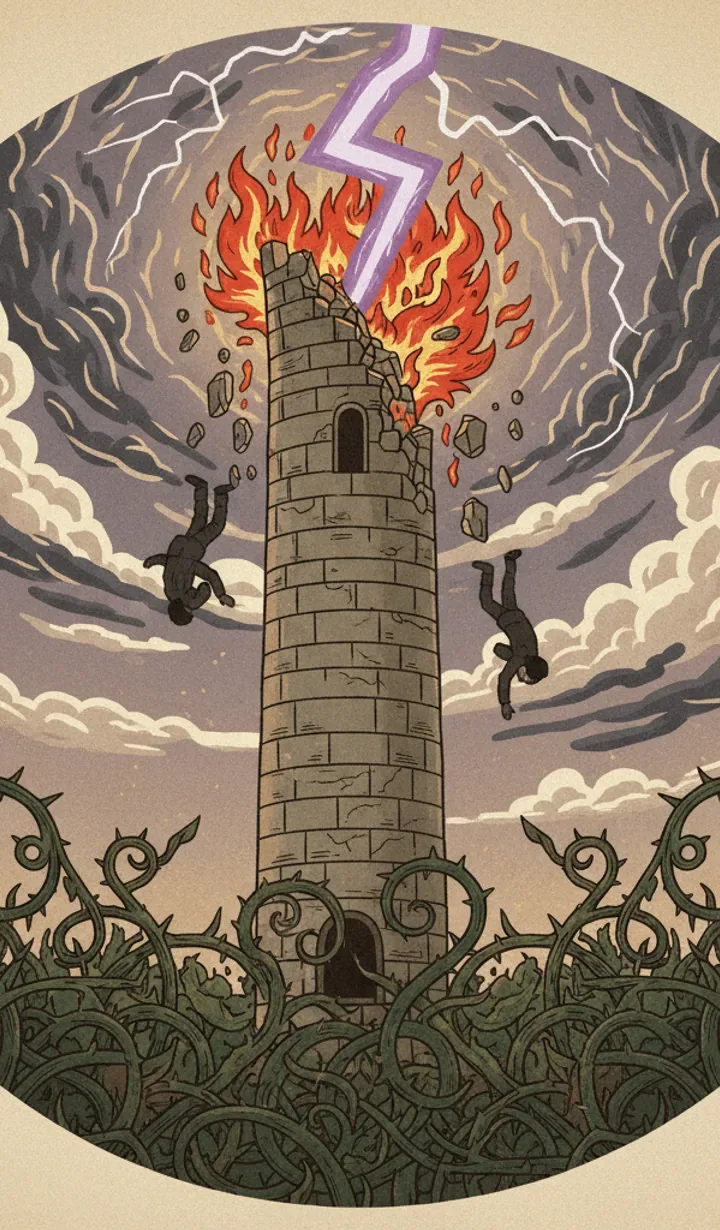
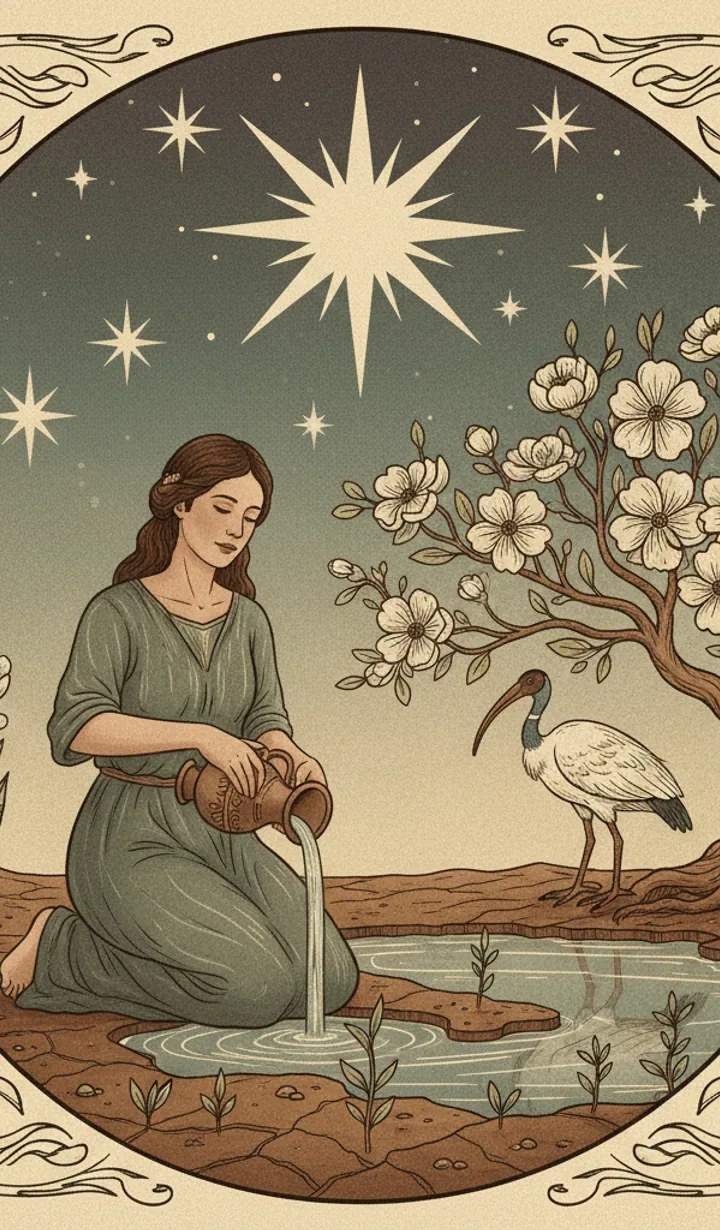
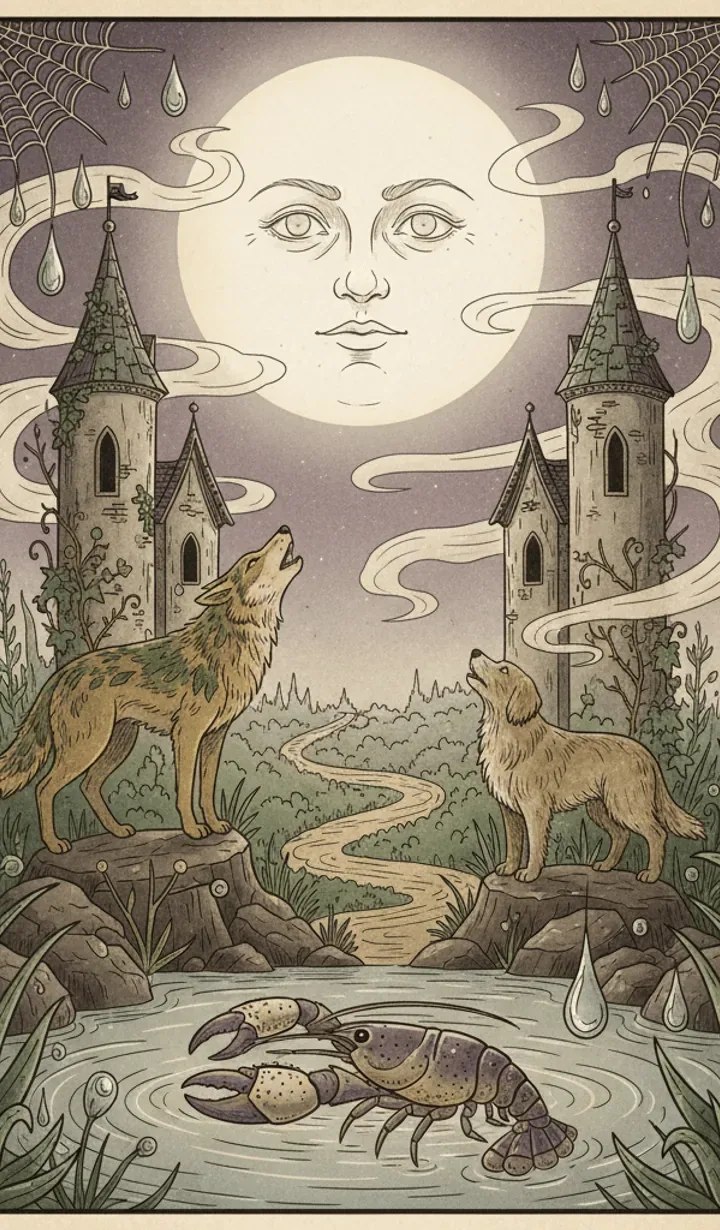
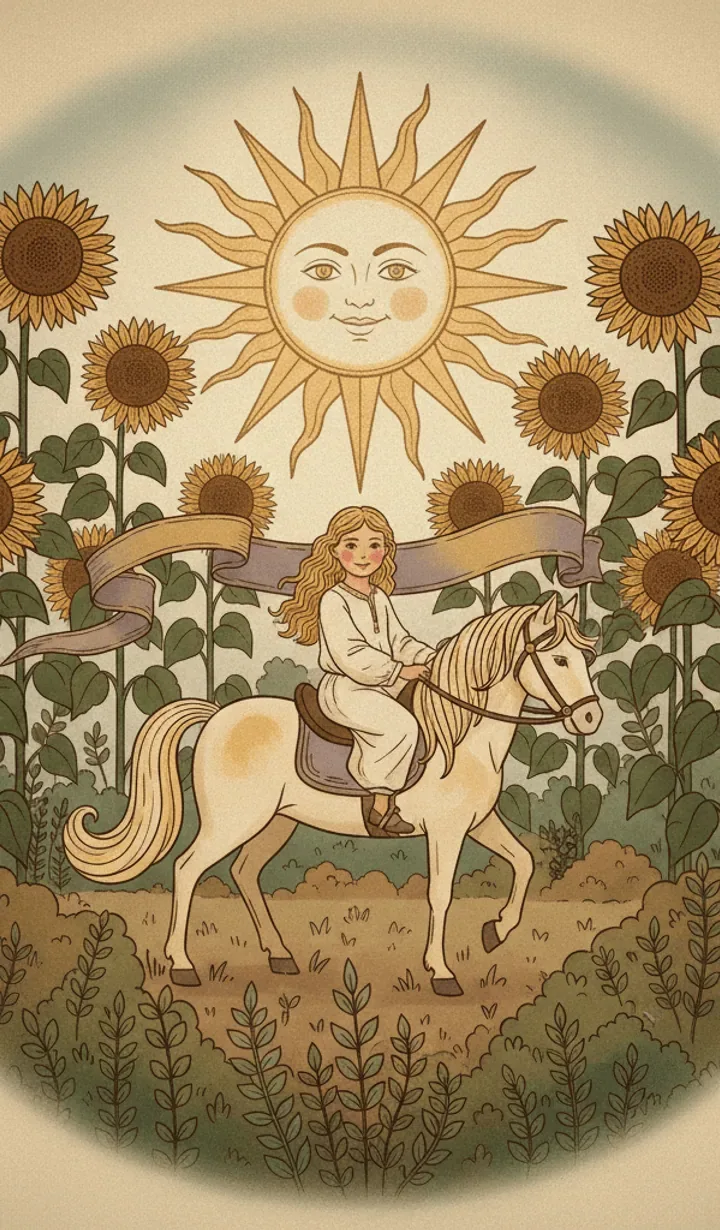
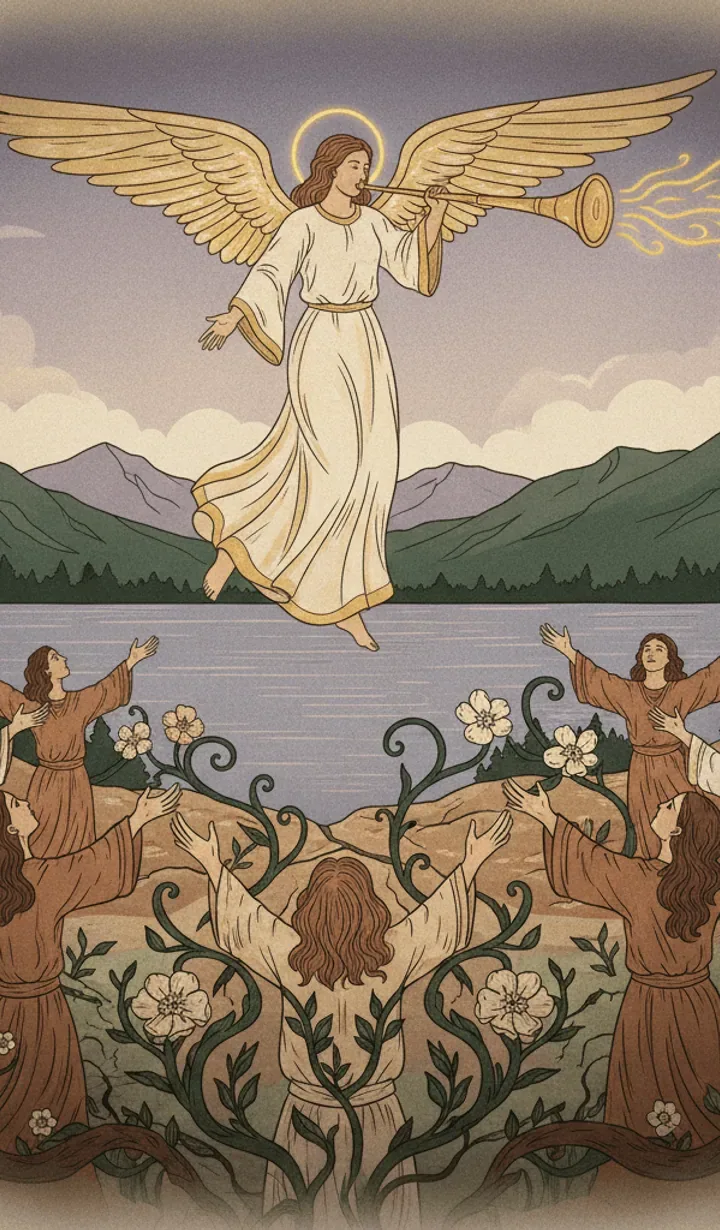
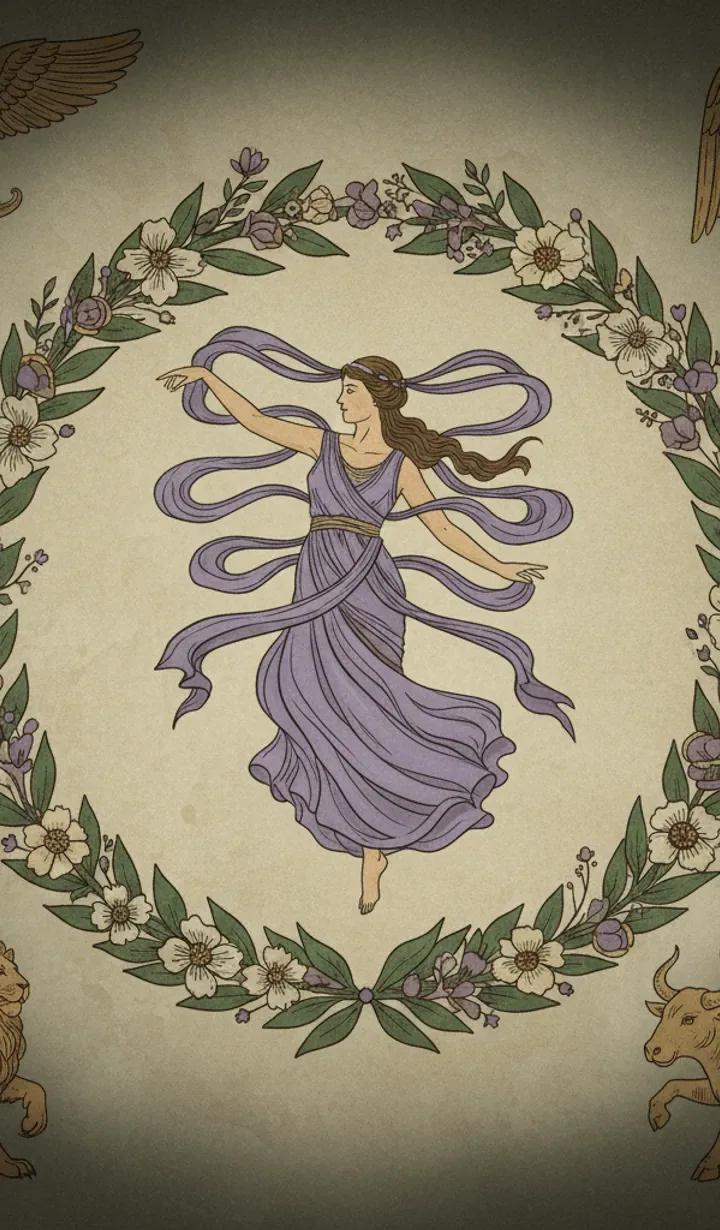
The Major Arcana, in order
The Fool's whole journey, zero through twenty-one, in the deck art.
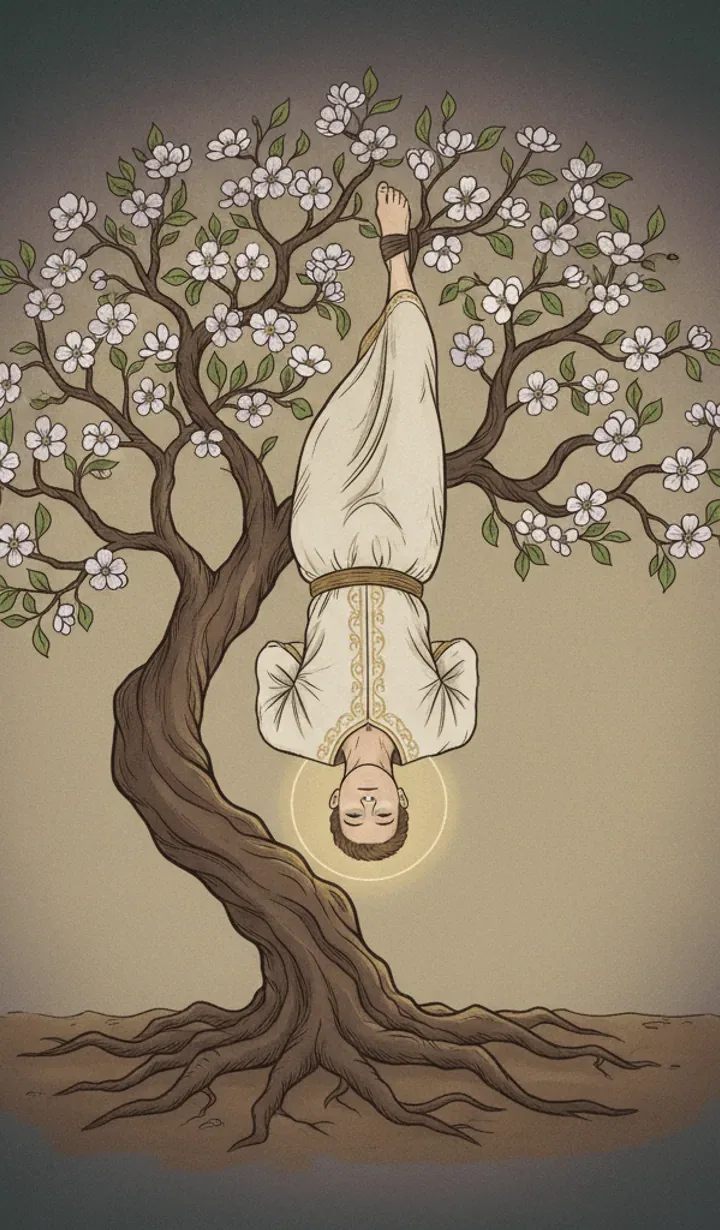
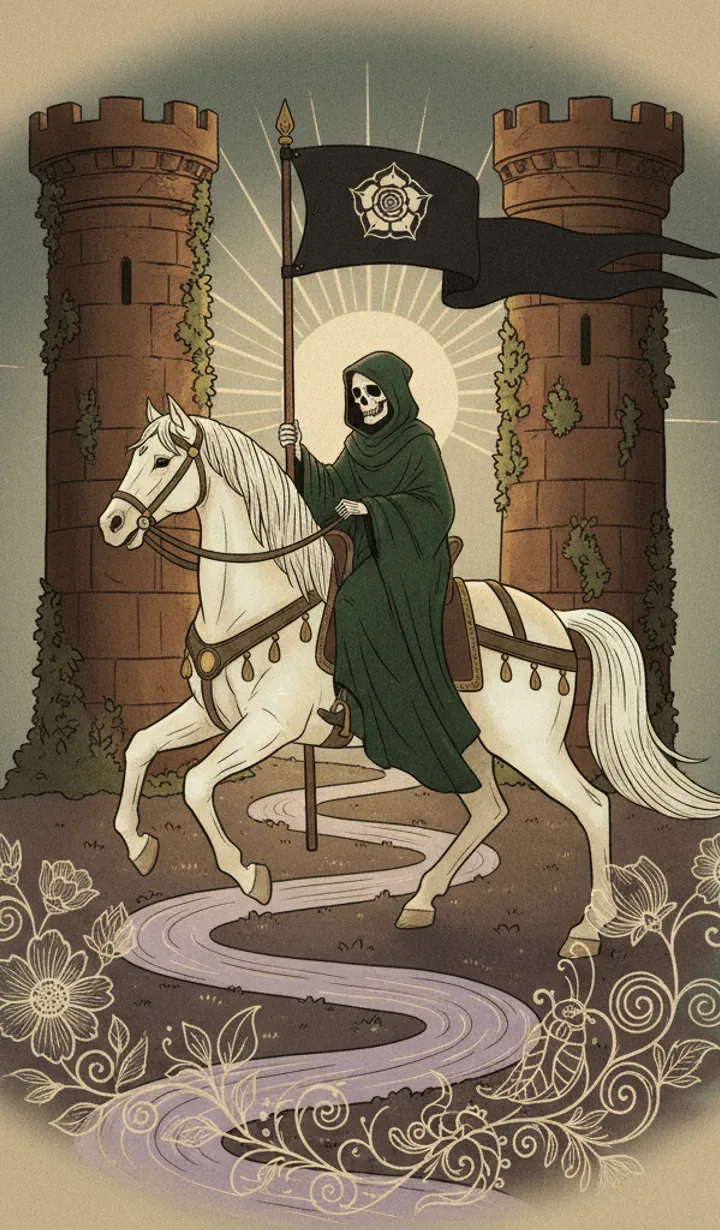
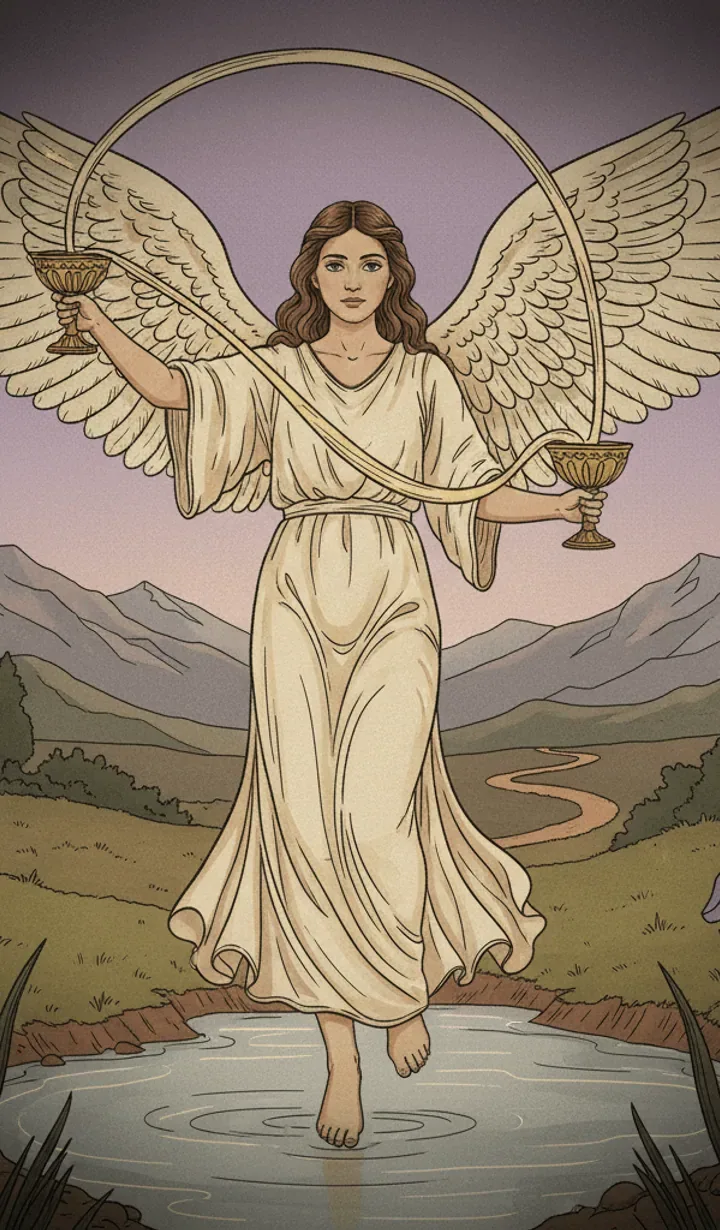
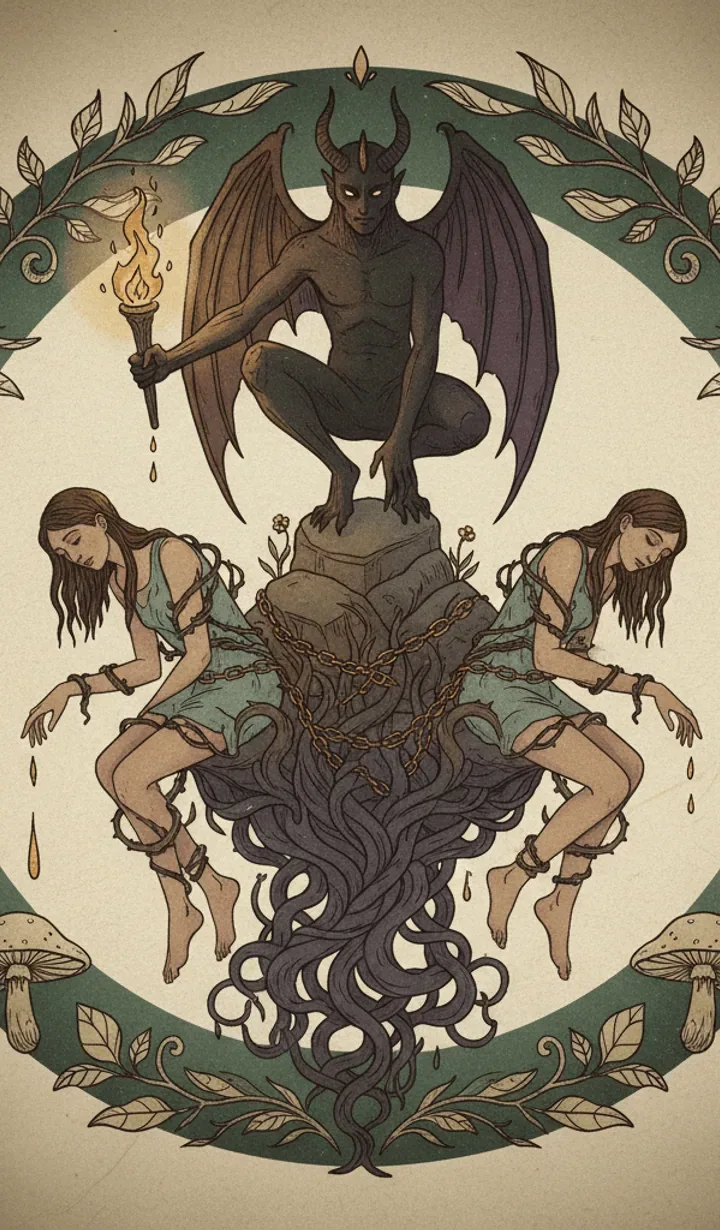
the originals
The actual 1909 cards
Pamela Colman Smith's illustrations for the Rider-Waite-Smith deck, the images that shaped a century of tarot, scanned from the 1909 printing.
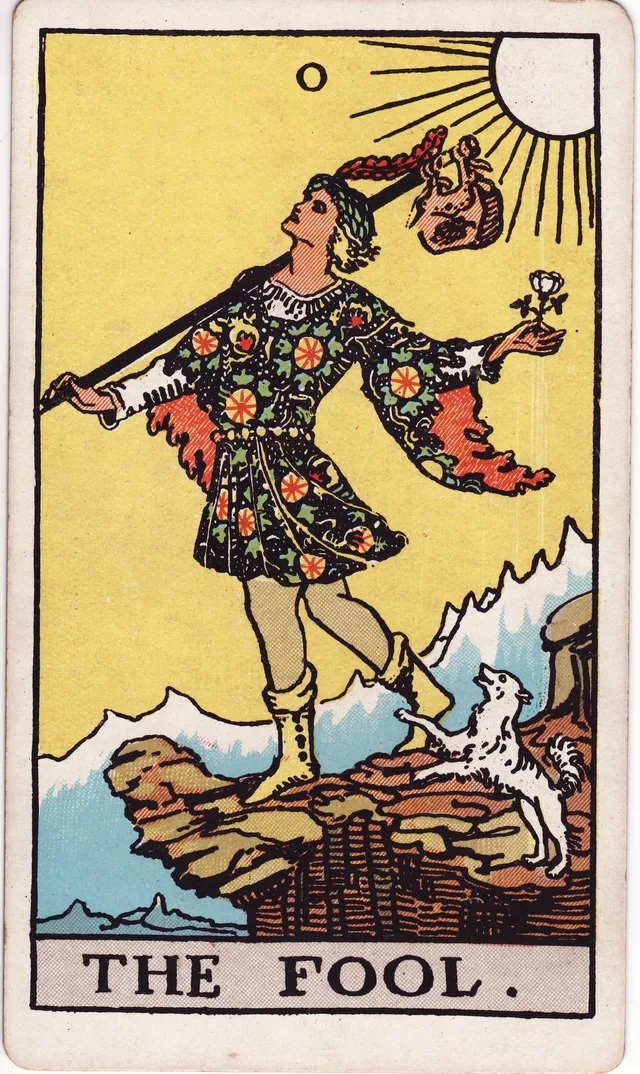
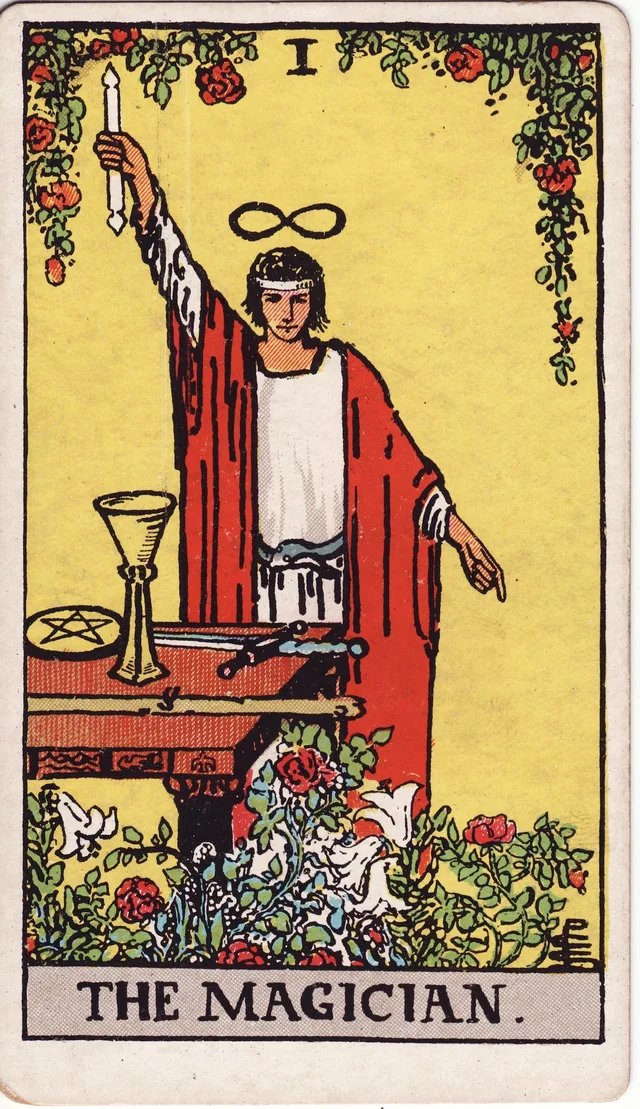
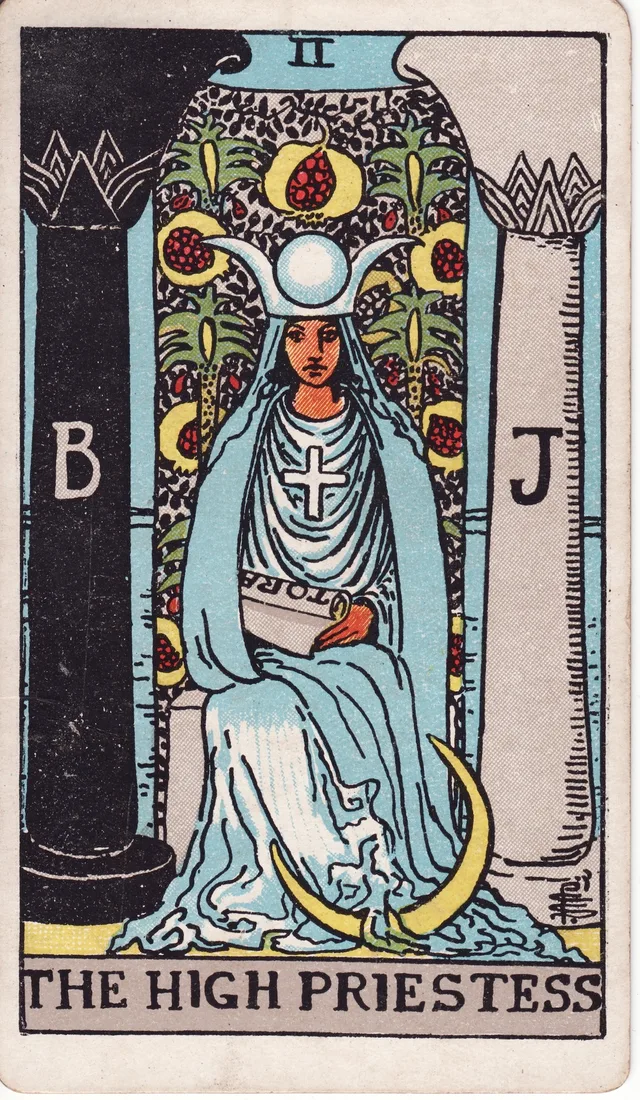
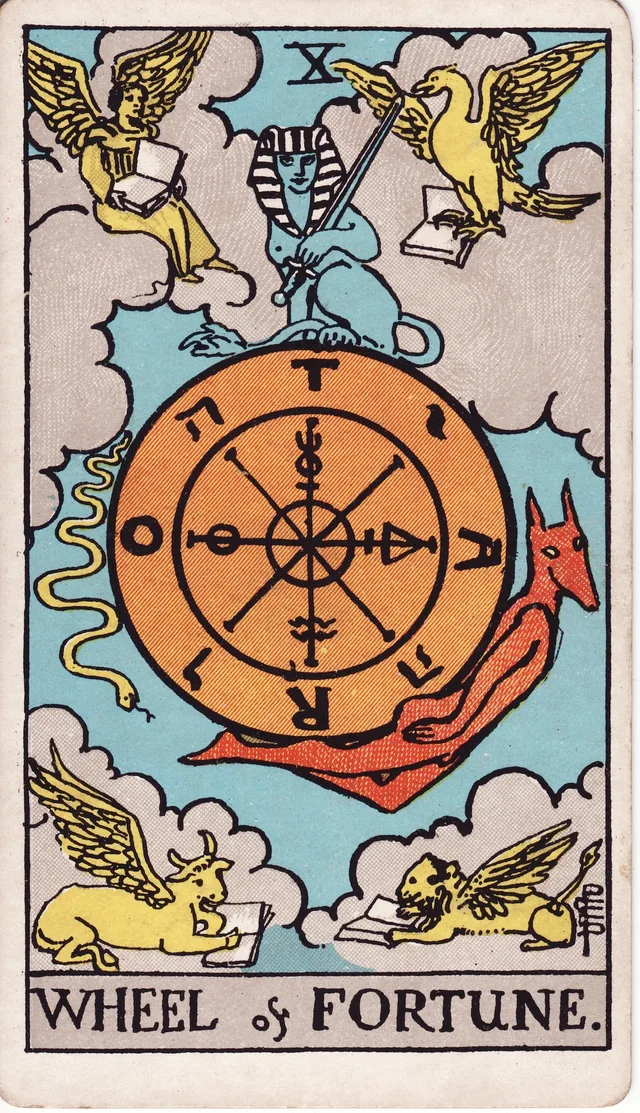
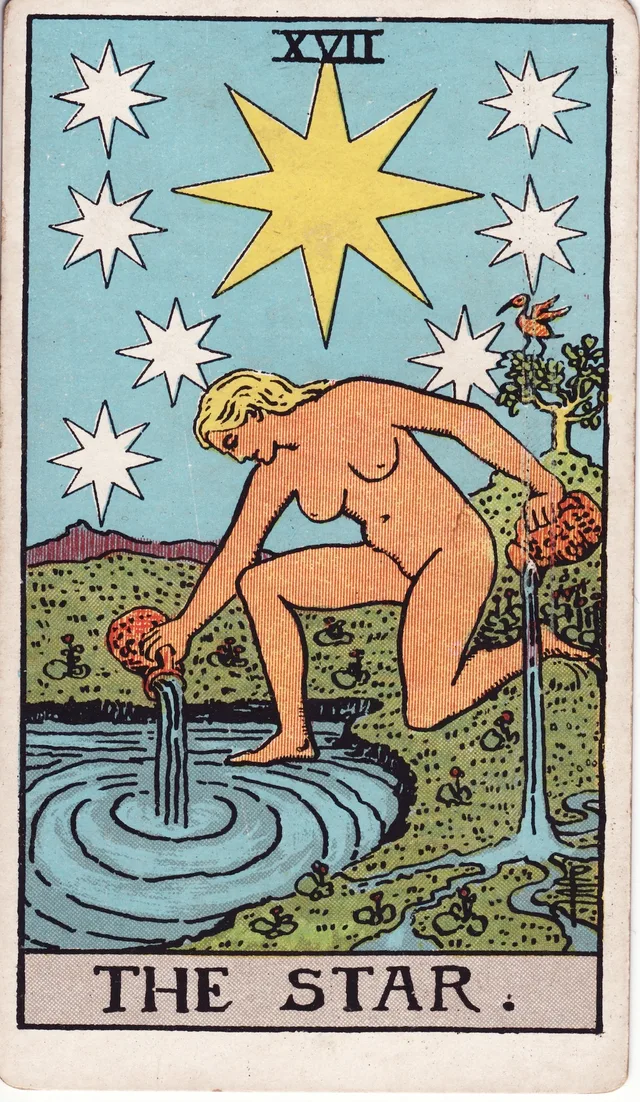
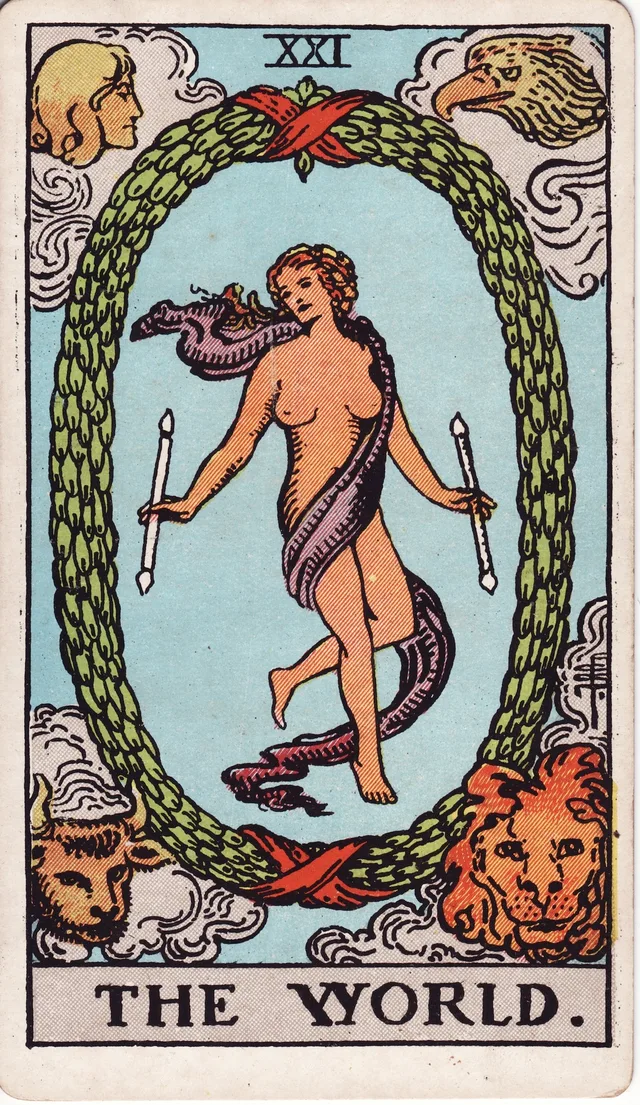
Pamela Colman Smith & A. E. Waite, published 1909. Public domain (via Wikimedia Commons).
Knowing the history changes the way the cards sit in your hand. You are not handling an ancient Egyptian artifact. You are handling a six-hundred-year-old game that wandered into something stranger and stayed there. If you want a smaller piece to read next, the glossary covers the working vocabulary you will run into in any tarot book or video, the words for the parts of the deck, the practices, and the frames people use to talk about all of it.